The Warmth of Pastoral Elegance: A Comprehensive Guide to Country Home Decor
In an era dominated by sleek, minimalist apartments and clinical high-tech aesthetics, many homeowners are experiencing a deep longing for spaces that feel grounded, historic, and exceptionally comforting. This collective yearning has sparked a major resurgence in country home decor. Far from being outdated or overly rustic, modern country design focuses on bringing the serene, slow-paced charm of rural living into any home, regardless of whether it is located in a quiet village or a bustling metropolitan area.
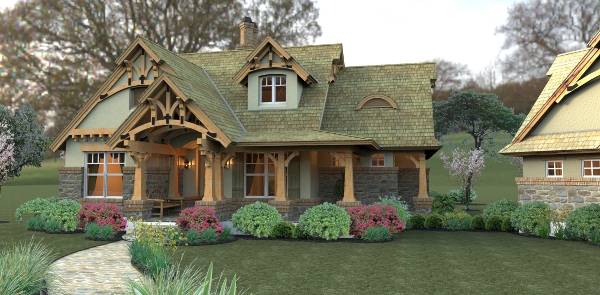
Creating a country-themed home is not about cluttering your space with kitschy farm animal motifs. Instead, it is about honoring natural materials, celebrating imperfections, and cultivating an environment where both family and guests feel instantly relaxed. Here is an informative guide to mastering the essential elements of country home decor.
The Core Philosophy of Country Living Style
At its heart, country home decor is defined by authenticity, functionality, and comfort. Historically, country homes were practical spaces built with locally sourced materials, and their interiors evolved organically over generations. Because of these roots, the style inherently rejects strict, rigid rules and mass-produced uniformity.
A successful country interior looks as though it has been lovingly put together over decades. It embraces the beauty of worn surfaces, appreciates the utility of every item, and prioritizes plush, comfortable seating arrangements that encourage long conversations and shared meals. It is a design philosophy that elevates ordinary daily life into a warm, artistic experience.
1. Establishing a Soft, Nature-Inspired Color Palette
To capture the tranquil essence of the countryside, your interior color palette should reflect the natural landscapes found right outside the window. Avoid stark whites, pitch blacks, or artificial neon hues. Instead, focus on muted, earthy, and sun-bleached tones.
Warm and Creamy Foundations
Start with a base of warm neutrals to keep the rooms feeling bright yet incredibly cozy. Think of buttermilk cream, soft beige, pale taupe, or light biscuit tones for your walls and large upholstered furniture. These shades provide a soft canvas that feels significantly more welcoming than standard clinical white.
Soft Pastoral Accents
When introducing color, opt for shades that look slightly faded by the sun. Soft sage green, dusty sky blue, muted mustard yellow, and faded terracotta are classic country choices. These accents can be incorporated through painted trim, accent chairs, or woven throws, instantly connecting your indoor spaces to the natural world.
2. Emphasizing Raw and Reclaimed Textures
Texture is the lifeblood of country home decor. When your color palette is soft and understated, the variety of materials you use is what prevents a room from looking flat or uninviting.
The Beauty of Aged Wood
Wood is the most critical element in any country home. Whether it appears as exposed ceiling beams, wide-plank flooring, or a sturdy dining table, the wood should look lived-in. Reclaimed timber with visible knots, grain patterns, and minor dents adds immediate historic character and soul to a room.
Tactile Fabric Layering
Layering fabrics is essential for creating the signature cozy feel of country style. Combine a classic linen sofa with textured burlap storage baskets, heavy cotton drapes, and chunky wool rugs. Traditional patterns like subtle gingham, ticking stripes, and delicate floral prints can be mixed freely, provided they share a similar color family.
3. Integrating Antique and Time-Worn Furniture
A country home should never look like a showroom filled with identical, newly purchased furniture sets. Mixing and matching unique, vintage pieces is key to achieving an authentic, collected-over-time aesthetic.
Look for traditional furniture silhouettes, such as a classic farmhouse dining table, Windsor chairs, or a glass-front display hutch. Do not be afraid of furniture with chipped paint or a slightly distressed patina; these details tell a story. If you purchase new furniture, choose pieces with timeless craftsmanship and pair them with an antique side table or a vintage trunk used as a coffee table to balance the old with the new.
4. The Heart of the Home: The Country Kitchen
No discussion of country decor is complete without addressing the kitchen. In rural homes, the kitchen is the true center of daily activity, meaning it must be highly functional yet beautifully rustic.
To create a country kitchen, swap out sleek, hidden cabinetry for open open-shelving units or shaker-style cabinets painted in soft pastel colors. Display your everyday items proudly—stack ceramic plates, arrange wooden cutting boards against the wall, and hang copper pots from a ceiling rack. A deep apron-front farmhouse sink made of fireclay or cast iron serves as the perfect structural centerpiece for this design concept.
Conclusion
Country home decor is far more than a passing interior design trend; it is a celebration of comfort, heritage, and the simple joys of home life. By embracing a nature-inspired color palette, layering raw and reclaimed textures, curating vintage furniture, and focusing on functional warmth, you can easily craft a space that feels deeply personal and timelessly elegant. Ultimately, a beautiful country home is measured not by its perfection, but by how effortlessly it embraces the beautiful imperfections of real, lived-in daily life.


