Achieving Beautiful Home Decor Without Embracing the Extreme
In the world of interior design, social media platforms are often saturated with avant-garde trends, highly unconventional color palettes, and eccentric furniture pieces that look more like museum installations than functional household items. While these ultra-unique aesthetics can be visually striking on a screen, they rarely translate well into the realities of daily life. For the majority of homeowners, a house should be a sanctuary of comfort, warmth, and timeless elegance.
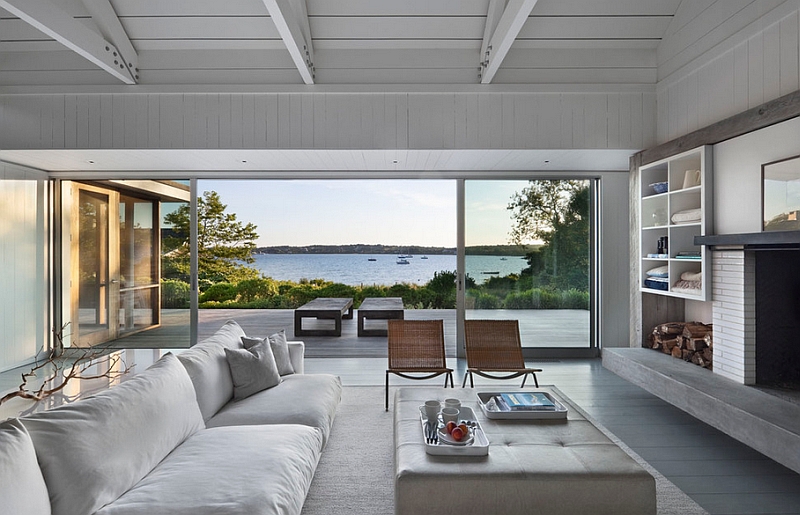
Creating a beautiful home does not require you to hunt down rare antiques, paint your walls a shocking neon hue, or adopt a hyper-specific design philosophy. In fact, there is an understated luxury in choosing decor that is classically beautiful, universally appealing, and grounded in familiarity. Here is how you can design a stunning, cohesive living space that feels sophisticated and welcoming without relying on anything extremely unique.
The Philosophy of “Approachable Beauty”
The goal of approachable beauty in home decor is to focus on quality, balance, and harmony rather than shock value. When a space avoids extreme eccentricity, it becomes naturally timeless. You do not have to worry about your living room going out of style next season because its beauty is rooted in foundational design principles rather than passing fads.
By focusing on traditional layouts, pleasing color schemes, and comfortable furniture, you create an environment where guests instantly feel at ease. The focus shifts from making a loud statement to cultivating an atmosphere of quiet refinement and genuine comfort.
1. Establish a Sophisticated Neutral Palette
The foundation of any beautiful yet conventional home is its color palette. To keep the space elegant without venturing into extreme design territory, lean heavily into sophisticated neutrals and soft, classic undertones.
The Power of Layered Neutrals
Instead of relying on a single shade of white or beige, layer various tones of the same color family to create depth. Combine crisp whites, warm creams, soft taupes, and gentle grays. This prevents the room from looking sterile or flat while maintaining a highly calm and cohesive visual field.
Introducing Familiar Accent Colors
If you want to inject color, skip the neon or overly dramatic jewel tones. Instead, choose classic, nature-inspired colors that people are inherently comfortable with. Soft sage green, subtle navy blue, muted terracotta, or dusty rose are excellent choices. Use these accents in easily changeable items such as throw pillows, blankets, and ceramic vases.
2. Prioritize Classic, Clean-Lined Furniture
When shopping for foundational furniture like sofas, dining tables, and bed frames, steer clear of bizarre geometric shapes or overly ornate, experimental silhouettes. Instead, invest in pieces with clean lines and timeless shapes.
A classic English roll-arm sofa, a simple mid-century modern coffee table, or a traditional wooden dining table will never lose their appeal. These pieces are beautiful because of their proportions and functionality, not because they are trying to reinvent the wheel. To add visual interest without breaking the boundary of conventional style, focus on texture. A standard sofa upholstered in a rich bouclé, linen, or high-quality performance velvet looks incredibly luxurious while remaining completely familiar and practical.
3. Master the Layering of Textures
When you intentionally avoid extremely unique or eccentric statement pieces, texture becomes your best friend. Layering different materials prevents a neutral room from looking boring, adding warmth and sophistication through touch and sight.
Consider incorporating a mix of the following elements in every room:
- Natural Woods: A mix of light oak or warm walnut brings an organic feel to the space.
- Woven Fabrics: Chunky knit throws, linen curtains, and jute or wool rugs add depth to the floors and seating areas.
- Smooth Metals and Glass: Subtle touches of brushed brass, matte black metal, or clear glass in light fixtures and hardware provide a polished, modern finish.
By mixing these tactile elements, the room feels richly detailed and expertly styled, even if every individual item within it is relatively standard and widely available.
4. Curate Meaningful, Conventional Art and Accessories
Decorating shelves and walls can be tricky. You do not need bizarre sculptures or confusing abstract art to make your home look like it was styled by a professional.
Opt for framed photography of beautiful landscapes, simple botanical prints, or classic black-and-white architectural sketches. These items are universally appreciated and blend seamlessly into almost any room. When styling bookshelves or coffee tables, stick to the rule of three: group a hardback book, a beautifully scented candle, and a small potted plant together. It is a tried-and-true styling method that looks effortless and clean without drawing unnecessary attention to any single oddity.
5. Focus on Soft, Warm Lighting
Lighting is the ultimate tool for elevating standard decor into something truly magical. A room filled with basic, everyday furniture can look breathtaking if the lighting is executed correctly.
Avoid harsh, clinical overhead lighting. Instead, scatter multiple warm-toned lamps throughout the room at different heights. Use a mix of floor lamps in empty corners, table lamps on side tables, and perhaps a classic, elegant pendant light over the dining area. The warm glow creates shadows and highlights that make the textures in your home pop, instantly making the entire environment feel incredibly cozy, upscale, and beautiful.
Conclusion
Beautiful home decor does not have to be loud, shocking, or entirely unique to be effective. True interior elegance often lies in the subtle balance of a calm color palette, high-quality traditional furniture, rich textures, and thoughtful lighting. By embracing a style that avoids the extremes, you create a timeless, comforting space that gracefully weathers the changing tides of fashion. Ultimately, a beautiful home is not measured by how unique its components are, but by how wonderfully they come together to create a harmonious place to live.