The Foundation of Home: Exploring Essential Living Room Interior Design Concepts
The living room is arguably the most important space in any household. It serves as the central hub for daily life—a place where families gather to unwind after a long day, friends catch up over coffee, and individuals find quiet moments of relaxation. Because it wears so many different hats, designing a living room requires a thoughtful balance between aesthetic appeal and practical functionality.
When stepping into the world of interior design, the sheer number of options can feel overwhelming. The key to creating a cohesive and beautiful space is understanding the foundational design concepts that give a room its structure and personality. Here is an informative guide to the essential living room design concepts that can help you transform your space into a stylish and welcoming sanctuary.
The Core Principles of Living Room Design
Before diving into specific design styles, it is crucial to understand the universal principles that apply to any successful living room layout. Regardless of the aesthetic you choose, these core concepts dictate how comfortable and visually pleasing the space will ultimately be.
Establishing a Focal Point
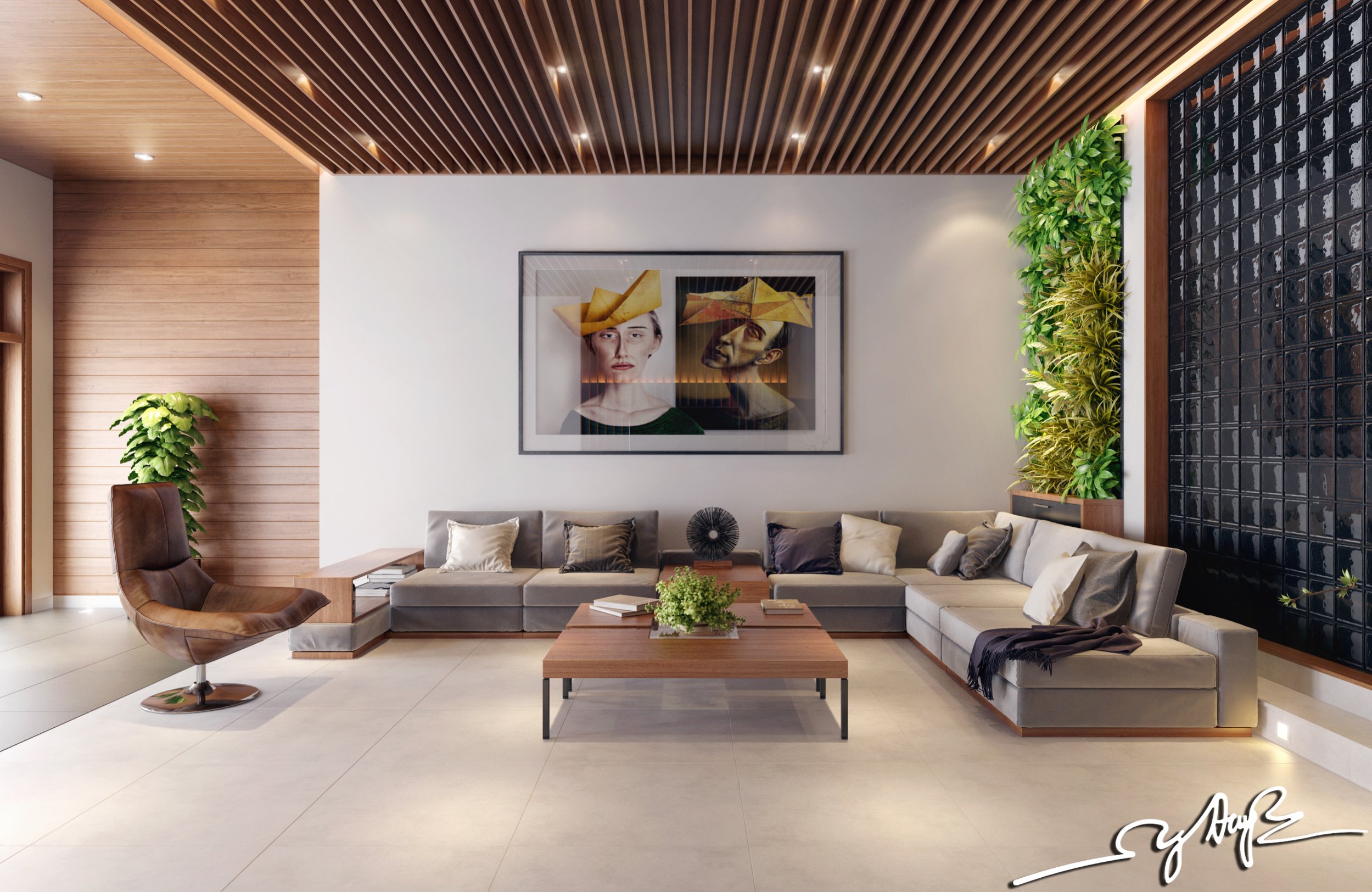
Every great living room design is built around a single focal point. This is the feature that naturally draws the eye when you walk into the room. It could be an architectural element like a beautiful brick fireplace, a large picture window with a garden view, or a carefully curated gallery wall. Once you identify your focal point, arrange your primary furniture to face or complement it, creating a natural sense of order.
Maximizing Flow and Spatial Awareness
A beautifully decorated living room can quickly become frustrating if the layout restricts movement. When planning your design, ensure there are clear walkways between seating areas and entryways. Leave enough breathing room between your coffee table and sofa, and avoid pushing all your furniture flat against the walls. Pulling seating arrangements inward creates a more intimate, conversational atmosphere.
1. The Timeless Mid-Century Modern Approach
Mid-century modern design remains one of the most popular concepts for living rooms due to its clean lines, organic curves, and emphasis on functionality. Originating in the mid-20th century, this style beautifully bridges the gap between traditional warmth and minimalist structure.
Key Characteristics
- Furniture Silhouettes: Look for sofas and chairs with tapered wooden legs and low-profile frames. Furniture pieces feel light and airy rather than bulky.
- Material Palette: This concept relies heavily on warm, natural woods like walnut, teak, and oak, often paired with brass accents and textured fabrics like tweed or bouclé.
- The Vibe: It offers an uncluttered, sleek look that values simplicity without feeling cold or sterile.
2. The Cozy Elegance of Transitional Style
If you find yourself torn between the sleekness of modern design and the comforting warmth of traditional interiors, the transitional design concept is your perfect match. This style seamlessly blends elements from both worlds to create a balanced, universally appealing space.
Key Characteristics
- Balanced Furniture: A transitional living room might pair a classic, plush English roll-arm sofa with a sleek, contemporary metal-and-glass coffee table.
- Neutral Foundations: The color palette relies heavily on sophisticated neutrals like cream, taupe, gray, and warm beige. Contrast is introduced gently through textures rather than loud patterns.
- The Vibe: It feels incredibly upscale, comfortable, and timeless. It avoids the rigidity of ultra-modern design while skipping the stuffiness of traditional decor.
3. The Calming Focus of Japandi Minimalism
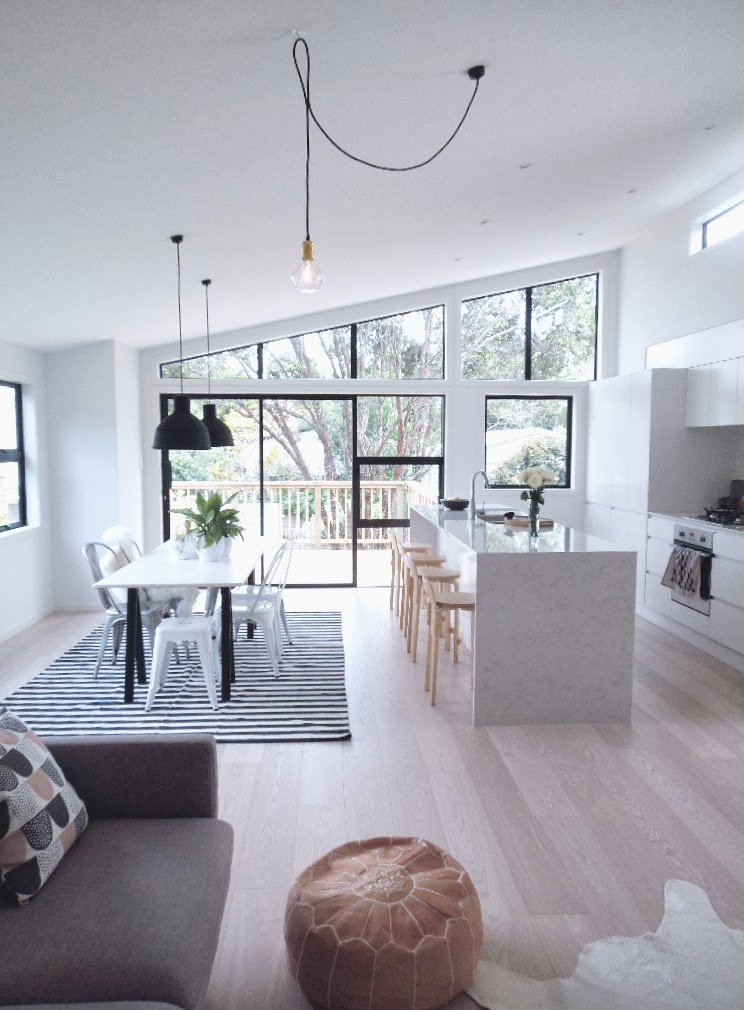
For those who view their home as a peaceful retreat from a chaotic world, the Japandi concept offers an exquisite solution. This style is a beautiful hybrid that merges the rustic, cozy warmth of Scandinavian hygge with the refined, minimalist elegance of traditional Japanese design.
Key Characteristics
- Natural Textures: The space prioritizes organic materials such as raw wood, bamboo, linen curtains, and handmade ceramics.
- Low-Profile Living: Furniture is often kept low to the ground to enhance the feeling of spaciousness and connection to the earth.
- The Vibe: Deeply serene, intentional, and clutter-free. Every item in a Japandi living room has a specific purpose and a place, fostering absolute mental calm.
4. The Layered Textures of Modern Rustic
The modern rustic concept is perfect for homeowners who want their living room to feel grounded, earthy, and exceptionally cozy. This style takes the best elements of traditional farmhouse design—such as raw textures and aged materials—and refines them with clean, modern layouts.
Key Characteristics
- Architectural Details: Exposed wooden ceiling beams, stone accents, or shiplap walls serve as excellent backdrops for this style.
- Tactile Variety: The secret to this concept lies in layering textures. Think of a rich leather sofa paired with a chunky knit throw blanket, a woven jute rug, and a reclaimed wood coffee table.
- The Vibe: Welcoming, relaxed, and imperfectly beautiful. It celebrates the natural wear and tear of materials, making it highly family-friendly.
Conclusion
Designing a living room is an evolutionary journey that allows you to express your personal lifestyle while honoring the architectural layout of your home. Whether you are drawn to the sleek, nostalgic lines of mid-century modern, the harmonious balance of transitional style, the serene minimalism of Japandi, or the rich textures of modern rustic, the ultimate goal remains the same: to create a space that feels like you. By focusing on a clear concept, prioritizing movement, and layering materials thoughtfully, you can craft a living room that is as beautiful to look at as it is wonderful to live in.